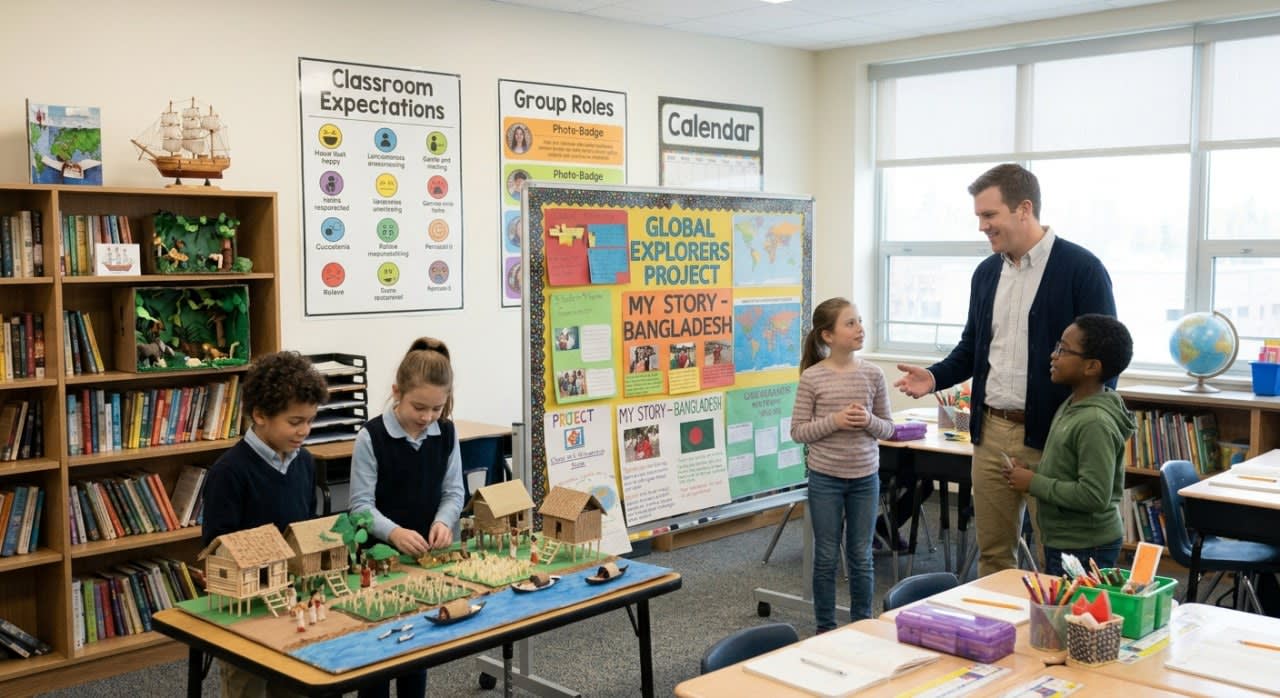
Managing a classroom can be challenging, especially when students display disruptive behavior, struggle to follow instructions, or have difficulty staying focused. Every student has a different personality, learning style, and emotional background, which means teachers need patience, flexibility, and effective approaches to maintain a positive learning environment. Rather than viewing challenging behavior as simply disobedience, educators should try to understand the reasons behind it and respond with appropriate guidance.
Applying classroom management strategies for difficult students can help teachers build stronger relationships, reduce classroom disruptions, and create an atmosphere where every learner feels respected and supported. The right strategies do not just control behavior; they also encourage students to develop responsibility, confidence, and positive social skills.
1. Establish Clear Classroom Rules and Expectations
One of the most effective ways to manage challenging behavior is to establish clear classroom rules from the beginning. Students should understand what is expected of them, how they should treat others, and what behaviors are acceptable during lessons.
Keep classroom rules simple, realistic, and easy to remember. For example, students should listen when someone is speaking, respect their classmates, complete assigned work, and follow instructions. Teachers should explain these expectations regularly and apply them consistently.
When students understand the boundaries, they are more likely to recognize their responsibilities and make better decisions.
2. Build Positive Relationships With Students
A positive teacher-student relationship can make a significant difference in classroom behavior. Students are more likely to cooperate with teachers when they feel respected, understood, and valued.
Take time to learn about students' interests, strengths, and individual challenges. A friendly greeting, a short conversation, or genuine encouragement can help create trust. Teachers should also listen carefully when students express concerns instead of immediately criticizing their behavior.
Building meaningful connections helps students feel that their teachers genuinely care about their success.
3. Use Positive Reinforcement
Recognizing good behavior is often more effective than focusing only on mistakes. Positive reinforcement encourages students to repeat appropriate actions and motivates them to participate more actively.
Teachers can use verbal praise, classroom privileges, achievement certificates, or simple recognition to reward positive behavior. For example, when a student who frequently interrupts begins waiting for their turn, acknowledging that improvement can encourage further progress.
However, rewards should be fair and meaningful. Teachers should also recognize effort, improvement, cooperation, and kindness rather than focusing exclusively on academic performance.
4. Understand the Reasons Behind Challenging Behavior
Difficult behavior does not always mean that a student is intentionally trying to disrupt the classroom. Sometimes, students act out because they are frustrated, confused, overwhelmed, bored, or experiencing difficulties outside school.
Teachers should observe behavioral patterns and identify possible triggers. Does the student become disruptive during certain activities? Do they struggle with specific subjects? Are they having difficulty interacting with classmates?
Understanding these factors allows educators to choose appropriate solutions instead of responding with punishment alone. When necessary, teachers can communicate with parents, school counselors, or other support professionals to better understand the student's needs.
5. Make Lessons Interesting and Interactive
Students are generally more engaged when classroom activities are interesting, relevant, and varied. Long lectures and repetitive tasks may make it difficult for some learners to maintain attention.
Incorporate group discussions, educational games, practical activities, visual materials, and collaborative projects into lessons. Giving students opportunities to participate actively can reduce boredom and encourage positive classroom involvement.
Teachers can also divide larger assignments into smaller, manageable tasks. This approach helps students who struggle with concentration or organization feel more confident about completing their work.
6. Respond Calmly to Disruptive Behavior
When a student interrupts a lesson or refuses to follow instructions, reacting with anger can make the situation worse. Maintaining a calm and professional attitude helps prevent unnecessary conflict.
Use clear instructions, a respectful tone, and appropriate consequences when needed. Sometimes, a quiet reminder or a private conversation is more effective than correcting a student publicly.
It is also important to avoid embarrassing students in front of their classmates. Addressing behavior respectfully protects their dignity while reinforcing classroom expectations.
7. Encourage Student Responsibility
Students should have opportunities to take responsibility for their choices and actions. Teachers can encourage this by assigning classroom responsibilities, allowing appropriate choices, and involving students in problem-solving discussions.
For example, ask students how they can improve their behavior or contribute to a more respectful classroom. This encourages self-awareness and helps them understand how their actions affect others.
Conclusion
Managing difficult classroom behavior requires consistency, understanding, patience, and effective communication. By establishing clear expectations, building positive relationships, recognizing good behavior, and creating engaging lessons, teachers can make meaningful improvements in classroom dynamics.
Most importantly, educators should remember that challenging students need guidance rather than labels. With the right support and encouragement, every student has the opportunity to develop positive habits, improve their behavior, and become a more confident and responsible learner.