Interior design is often about finding the right balance between decorative details and functional elements. While mirrors, paintings, and furniture can make a room feel complete, the way they are arranged on the walls can have an equally important impact. Wall molding offers a simple yet effective way to organize these elements, create visual balance, and introduce architectural character. With carefully selected decorative wall molding, homeowners can highlight favorite objects, define focal points, and make ordinary walls feel more refined.
Frame Mirrors for an Elegant Interior
Mirrors are useful decorative features that can make rooms appear brighter and more spacious. However, a mirror placed on a plain wall may sometimes feel disconnected from the surrounding design. Molding can help integrate it into the interior by creating a defined frame around the mirror or establishing a decorative panel behind it.
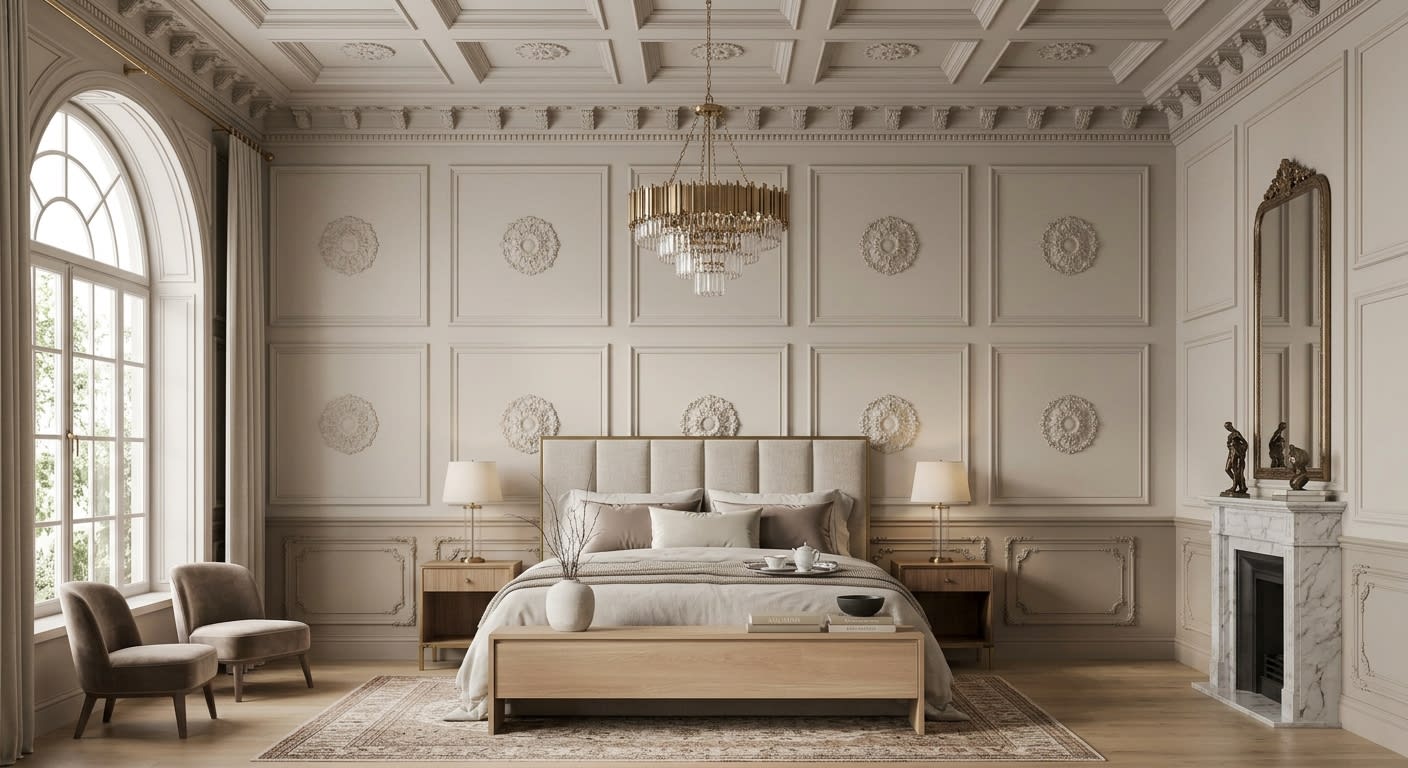
In an entryway, a rectangular molding arrangement around a large mirror can create an inviting first impression. In a bedroom, molding positioned behind a dressing mirror adds structure and complements other architectural details. For a living room, a large mirror centered within a symmetrical wall panel can become an attractive focal point.
Choose the molding width according to the mirror's dimensions. Slim profiles suit smaller mirrors and contemporary spaces, while broader designs can create a more traditional appearance. Keeping the colors coordinated helps the mirror and surrounding wall feel like a unified composition.
Highlight Artwork with Decorative Frames
Paintings, photographs, and prints often become the most personal features of an interior. Wall molding can enhance these pieces by giving them a dedicated visual space. Instead of hanging artwork randomly, consider designing individual molding frames that align with the dimensions of each piece.
For example, a large painting can be positioned inside a single rectangular frame above a sofa. In a hallway, several smaller frames can form a balanced gallery arrangement. This technique creates a sense of order while allowing each artwork to stand out.
The relationship between the artwork and the molding is important. Detailed artwork often looks best with simple profiles that do not compete for attention. Conversely, understated prints may benefit from more decorative molding that adds character to the overall presentation.
Consider leaving sufficient space between the artwork and the molding edges. This prevents the arrangement from feeling cramped and makes the wall design appear intentional.
Create a Focal Point Behind Furniture
Furniture placement provides another opportunity to use molding creatively. Sofas, beds, consoles, and dining tables can all benefit from a carefully designed wall treatment that reinforces their position within the room.
In a living room, a wide molding panel behind the sofa can establish a clear focal point. The panel may extend slightly beyond the furniture's width, creating a balanced composition without overwhelming the seating area.
For bedrooms, symmetrical molding arrangements behind the headboard can make the bed feel more prominent. Matching bedside tables and wall lights can strengthen the symmetry and create a cohesive atmosphere. In dining rooms, molding behind a sideboard can provide an elegant backdrop for lamps, vases, and decorative objects.
When planning these arrangements, consider furniture height and width. Molding should complement the furniture rather than compete with it. Maintaining consistent spacing between panels also helps preserve a clean appearance.
Experiment with Color and Contrast
Color can make framed wall designs more noticeable or keep them subtle. Painting molding the same shade as the wall creates a sophisticated, understated effect. The raised edges introduce shadows and texture, adding interest without strong visual contrast.
For a more dramatic interior, use contrasting shades to emphasize individual panels. Dark molding against a lighter wall can create a defined architectural look, while warm neutral tones are suitable for relaxed and contemporary spaces.
You can also coordinate molding with furniture finishes, decorative accessories, or existing architectural features. Repeating a few colors throughout the room helps establish visual continuity.
Choose Profiles That Suit Your Space
The size and style of the molding should reflect the room's proportions. Narrow profiles work well in compact rooms and minimalist interiors, whereas wider or more detailed designs may suit spacious rooms with higher ceilings.
Before installation, measure the wall and mark the proposed layout. Account for electrical outlets, switches, windows, and furniture placement. Accurate planning reduces unnecessary adjustments and helps achieve consistent spacing.
Conclusion
Wall molding can do much more than decorate an empty surface. It can frame mirrors, emphasize artwork, and create an attractive backdrop for furniture while bringing structure to the entire interior. By selecting suitable profiles, coordinating colors, and maintaining balanced proportions, homeowners can create elegant wall arrangements that complement their personal style and make every decorative feature feel thoughtfully placed. Choosing Panel Molding Proportions for Walls and Accent Zones
#PolyurethaneMoldings #InteriorDesign #HomeDecor