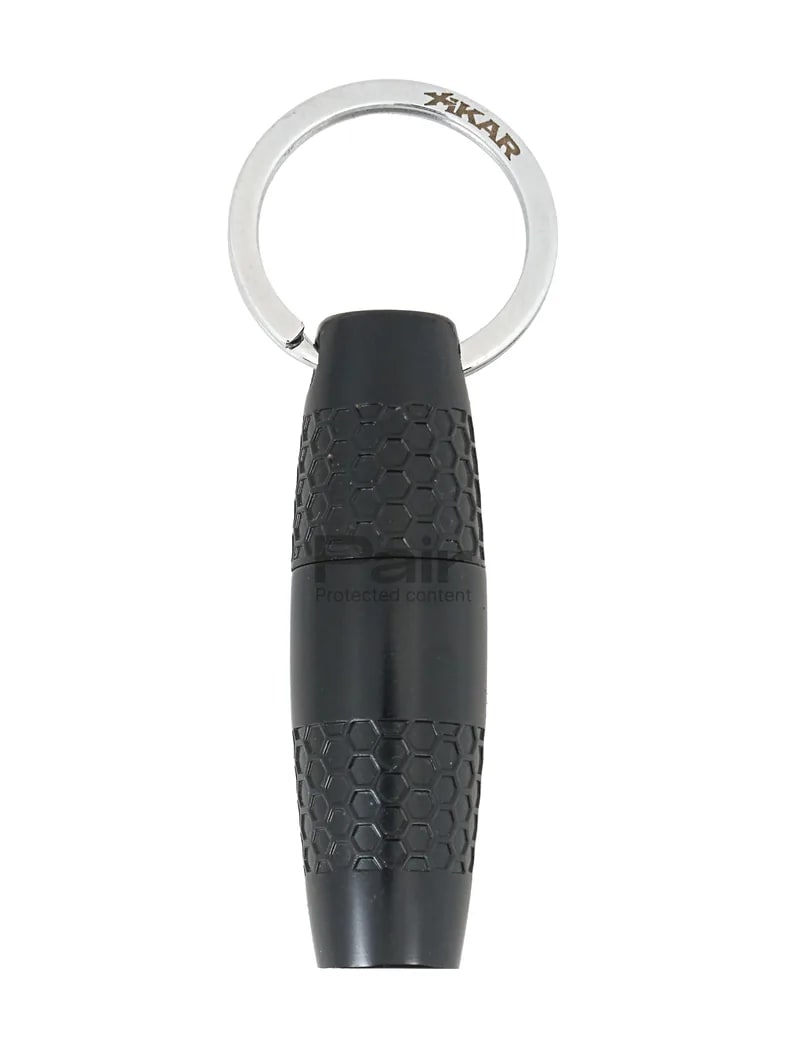
A cutter that begins pulling at the cap instead of making a clean, predictable cut deserves attention. The cause may involve positioning, debris, blade condition or a mechanism that is no longer operating as intended. Repeatedly squeezing harder is not a reliable solution. A methodical check protects both the tool and the cigar from further damage.
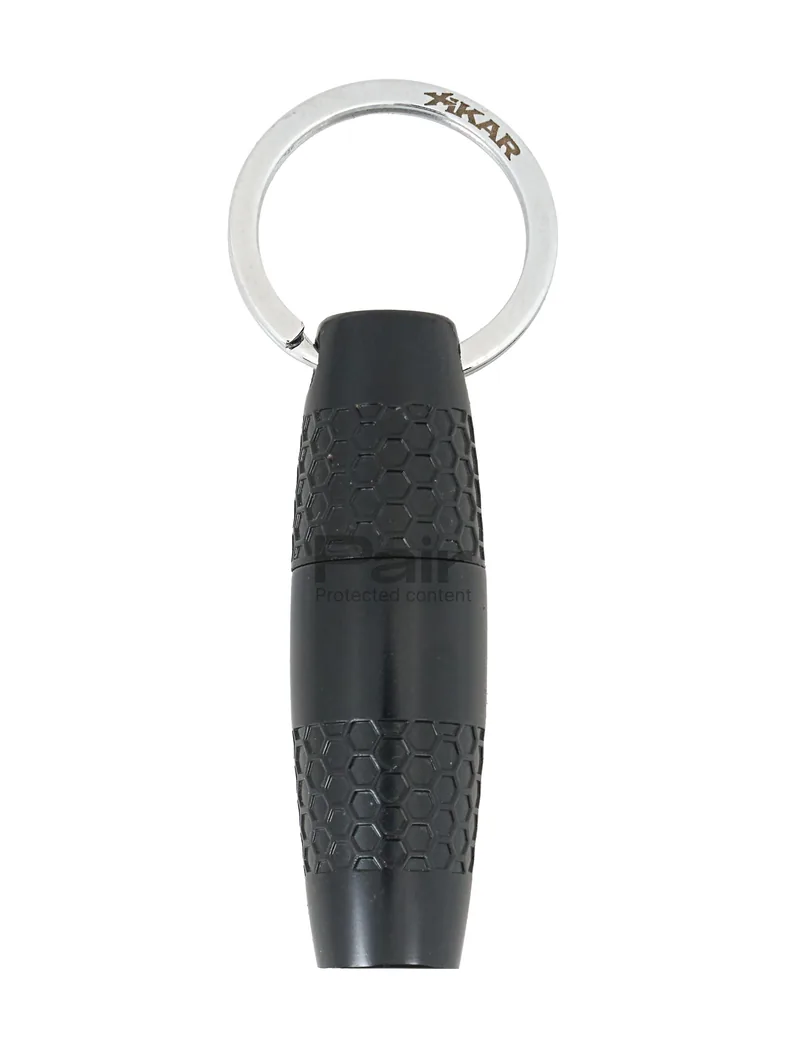
A punch provides a different cap-cutting geometry and should be used only within its intended size range.
Separate handling from hardware
Consider whether the cigar was placed at a different angle or whether its size is near the cutter's capacity. A poor position can create uneven resistance even when a device is functioning normally. If the problem affects only one unusually shaped cigar, avoid concluding that the entire mechanism is damaged. Compare with how the cutter behaves under the conditions recommended by its maker, keeping fingers clear of the blade path at all times.
Look for visible residue
Small tobacco fragments may collect in the opening or near moving parts after repeated use. Follow the maker's cleaning instructions for accessible areas; do not dismantle the device or touch exposed cutting edges. If the movement feels gritty, sticky or asymmetric, stop using the tool until the cause is understood. Metal finishes and mechanical components vary, so improvised oils or aggressive cleaners are not appropriate as universal advice.
Fit may be part of the problem
The intended cutter opening and the dimensions of the cigar need to agree. If a cut starts pulling, evaluate the intended blade style of a xikar cigar cutter and its compatibility before buying a replacement for appearance alone. A straight cut, V-cut or punch brings its own geometry. The right approach is to match the tool to a routine that the owner can control consistently.
Stop when the mechanism resists
- During use, a cutter begins tugging at the cap instead of moving cleanly.
- The owner tries another cigar of an appropriate size and notices the same resistance.
- Rather than applying more force, they inspect the opening for debris and review the maker's cleaning instructions.
If normal operation does not return, they stop and seek product-specific help. This avoids escalating a possible alignment or blade problem. The example makes a broader point: reliable tools are valued for controlled, repeatable behaviour, not for how much pressure a user can apply.
Replace force with evidence
If careful cleaning and correct positioning do not restore normal operation, consult the manufacturer's support information or an appropriate service route. Do not sharpen or realign blades using unverified techniques. The value of a cutter lies in predictable operation; forcing a damaged mechanism can defeat that purpose. Maintenance decisions are strongest when made from visible condition and verified specifications rather than frustration.
If a tool no longer cuts cleanly, revisit the cut style and handling. Straight, V or Punch? Choosing a Cigar Cut for the Occasion compares cut types, while Blade Alignment and Grip: What to Examine in a Cutter assesses alignment and grip.
#CutterMaintenance #Xikar #Troubleshooting